Vegetable Gardening at Sequoia House Seattle
- Sequoia House Seattle
- Jun 30, 2025
- 3 min read
Sequoia House Seattle is a thriving ecosystem for plants, birds and wildlife. While the dry shade woodland garden thrives under the Giant Sequoia in front, in the back where there is more sun, the vegetable garden is well underway. We use the French intensive/square foot garden method to pack in as many vegetables as we can. Amended with compost created from the needles of the Sequoia House Seattle Heritage Tree.

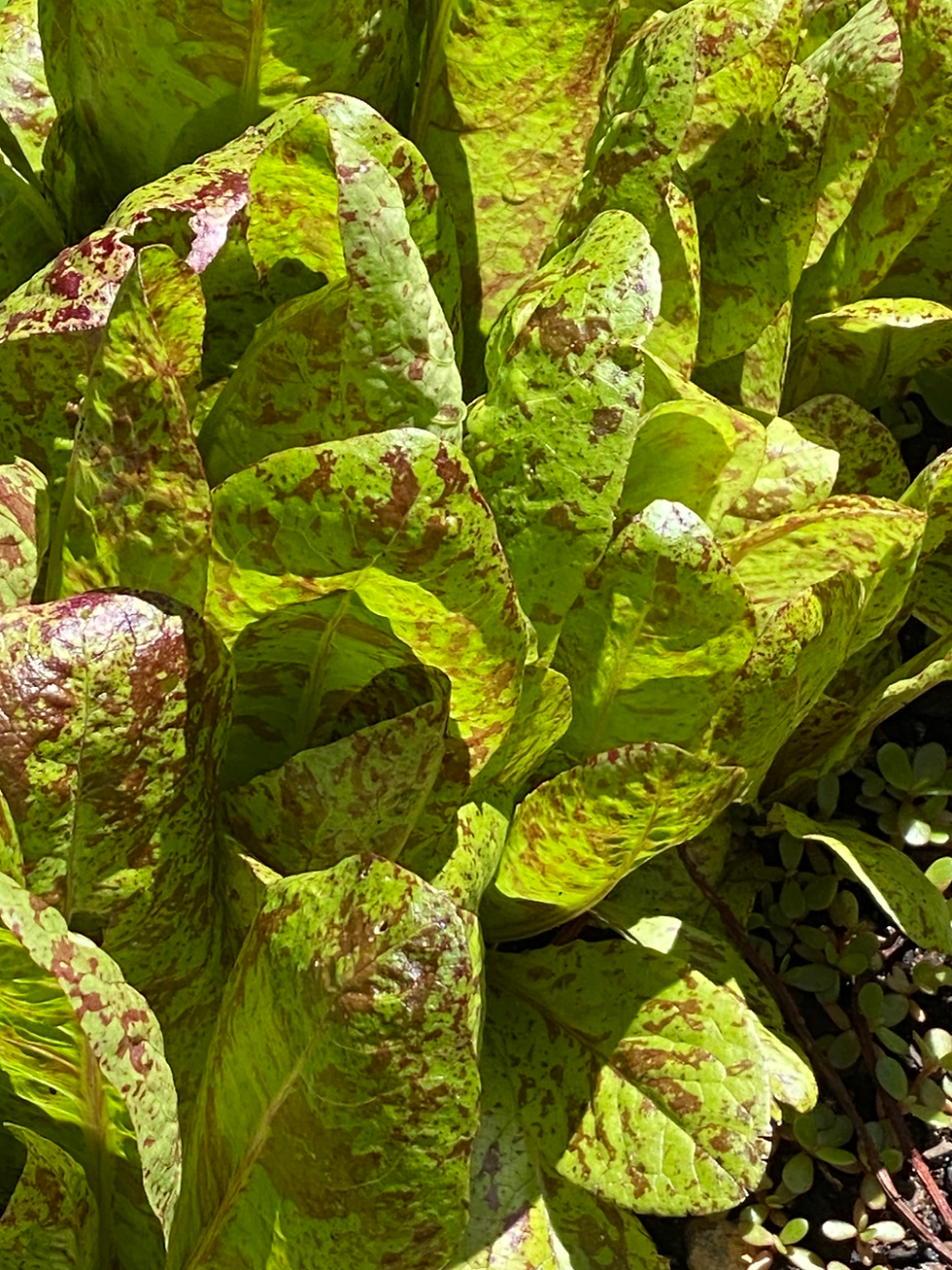
Because of the microclimate here, both flowers and vegetables tend to produce later than others in the area do. Right now, we have peas, lettuce and kale that we’ve been harvesting all month. The kale, which we interplanted for the first time between rows of peas (primarily snow peas and Oregon sugar pod) has done especially well this year, and we will try interplanting it with peas again next year.
Warm season vegetables are coming along, including bush beans that we directly sowed into the garden. We've learned to start our summer squash seeds indoors, as the local raccoons (of which there are many) like to dig up the squash seeds from the garden, slit them open and eat the insides, tossing away the hulls. These went out early this month, along with starts of cucumber and tomatoes, which we purchased locally. Sad for the raccoons, but good for produce!

Over the years, we’ve found warm weather crops such as beans, tomatoes, summer squash and cucumbers do very well here, and all are doing nicely in the garden. However, other warm weather crops such as eggplants and peppers (except for hot peppers) don’t. We used to try, even if plants produced only one or two fruits per plant. We stopped growing them after the raccoons one year picked their way through all our sweet peppers.
But the raccoons did get a little payback for doing that, when they tried to eat a hot pepper after going through all the sweet peppers. We found the remnants of the hot pepper spit out on the lawn, and the remaining pieces thrown next to it. The remaining hot peppers were untouched by raccoons the rest of the season.

Out front under the Sequoia, feverfew continues in full bloom, and should last most of the summer. Douglas Iris, a native plant for dry shade, is finishing up its delicate lavender blooms. These will turn into seed pods, which we leave on the plants. In the fall, these seed pods will burst open to showcase a wonderful display of bright orange seeds that are ideal for the season.


Comments